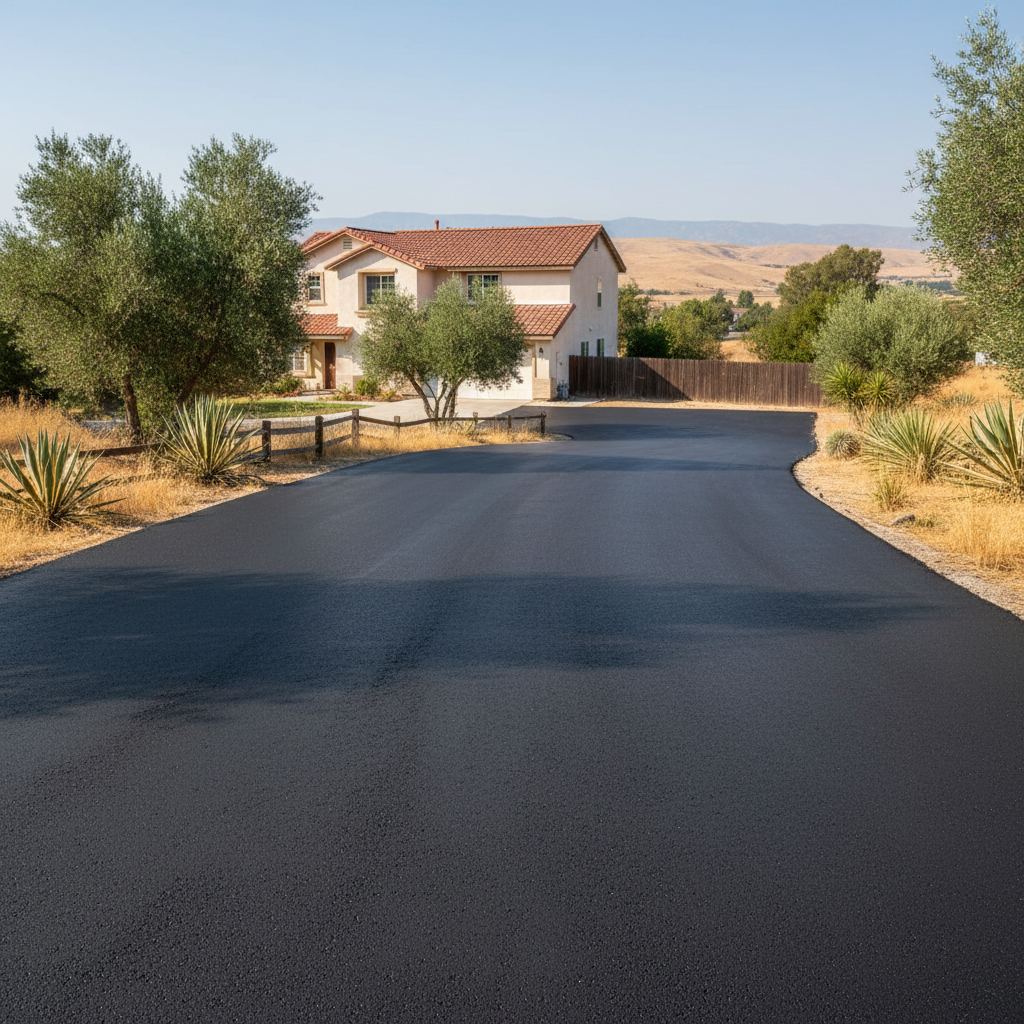
Alright, let's talk about your driveway. It's not just a slab of blacktop, you know; it's an investment, and boy does it take a beating out here in Orosi. Between the scorching summer sun, the occasional heavy winter rains, and just everyday traffic, your asphalt needs some love if you want it to last. I've seen countless driveways around town, from the older homes near Golden State to the newer developments, and I can tell you: a little maintenance goes a long way. You really don't want to wait until it's a patchwork quilt of cracks and potholes, trust me on that one.
Extending Your Asphalt's Lifespan: What Really Works
The biggest thing you can do to extend the life of your asphalt is protect it from the elements and heavy loads. Think of it like this: asphalt is flexible, but it's not invincible. Here's what I recommend:
- Sealcoating: This is your first line of defense. It's like sunscreen for your driveway, protecting it against UV rays, water penetration, and even chemicals like oil or gas. I know Midway Asphalt Solutions does a good job with sealcoating, but whoever you go with, make sure they do it right. You're looking at needing this every 2-3 years, depending on traffic and how much sun it gets.
- Proper Drainage: Water is asphalt's worst enemy. If you've got standing water on your driveway after a rain, that's a problem. It seeps into cracks, freezes (not often here, but it happens sometimes on winter nights), expands, and makes those cracks bigger. Make sure your gutters are directing water away and that your driveway isn't pooling.
- Watch the Weight: Heavy vehicles, especially those big RVs or commercial trucks, can really stress your asphalt. If you've got heavy equipment or vehicles parked on your driveway regularly, try to spread out the weight or park them on a dedicated, reinforced area if possible.
Regular Maintenance: Small Steps, Big Impact
Maintaining your asphalt isn't a huge chore if you stay on top of it. It's mostly about being observant and proactive.
- Clean it Regularly: Sweep off dirt, leaves, and debris. This prevents organic matter from breaking down and staining the surface, and also keeps water from getting trapped.
- Address Spills Immediately: Oil, gas, and other automotive fluids can break down the asphalt binder. If you spill something, clean it up with an absorbent material and a mild detergent right away. Don't let it sit there.
- Trim Overhanging Branches: Tree roots can grow under your driveway and cause lifting or cracking. Plus, falling branches can cause impact damage. Keep those trees trimmed back.
Warning Signs: Don't Ignore These Red Flags
Your driveway will tell you when it's in trouble; you just need to know what to look for. Catching these early can save you a lot of money down the road.
- Small Cracks: These are usually the first sign. Hairline cracks can quickly turn into alligator cracking if left untreated. Get them filled as soon as you see them. Crack filling is a simple, cost-effective repair.
- Fading or Graying: If your asphalt is losing its deep black color and looking more gray, it means the binder is oxidizing. This is a sign it's losing its flexibility and needs sealcoating soon.
- Potholes: These are beyond a warning sign; they're a full-blown problem. Potholes form when water gets under the asphalt, freezes (or just weakens the base), and traffic breaks through the surface. They need to be patched quickly before they get bigger and cause damage to your car or someone trips.
- Alligator Cracking: This looks like a series of interconnected cracks, resembling an alligator's skin. It means the base layer underneath is failing, and it's a more serious issue than just surface cracks.
- Standing Water: We talked about this, but it bears repeating. If water isn't draining off your driveway, you've got a problem that needs fixing.
When to Call a Professional: Know Your Limits
Look, some things you can handle yourself, like sweeping or cleaning up a spill. But for bigger jobs, you really need to call in the pros. Here's when you should pick up the phone:
- Extensive Cracking: If you've got cracks all over the place, especially alligator cracking, it's time for an expert assessment. We can figure out if it's just a surface issue or if the base needs attention.
- Potholes: While you can buy DIY pothole patch kits, they're often temporary fixes. A professional patch will be more durable and blend better with your existing asphalt.
- Sealcoating: This is best left to the pros. Getting the mix right, applying it evenly, and ensuring proper coverage is crucial for it to do its job. We've got the right equipment and experience to do it efficiently and effectively.
- Drainage Issues: If your driveway is consistently holding water, you might need regrading or a new drainage solution. That's definitely not a DIY job.
- Any Major Structural Damage: If you see significant dips, humps, or areas where the asphalt is crumbling, don't mess with it yourself. You could make it worse or miss a bigger underlying problem.
Keeping your Orosi driveway in good shape isn't rocket science, but it does require a little attention. Stay on top of those small repairs, get it sealed regularly, and don't hesitate to call Midway Asphalt Solutions or another reputable company when you see those warning signs. It'll save you a headache and a lot of money in the long run.