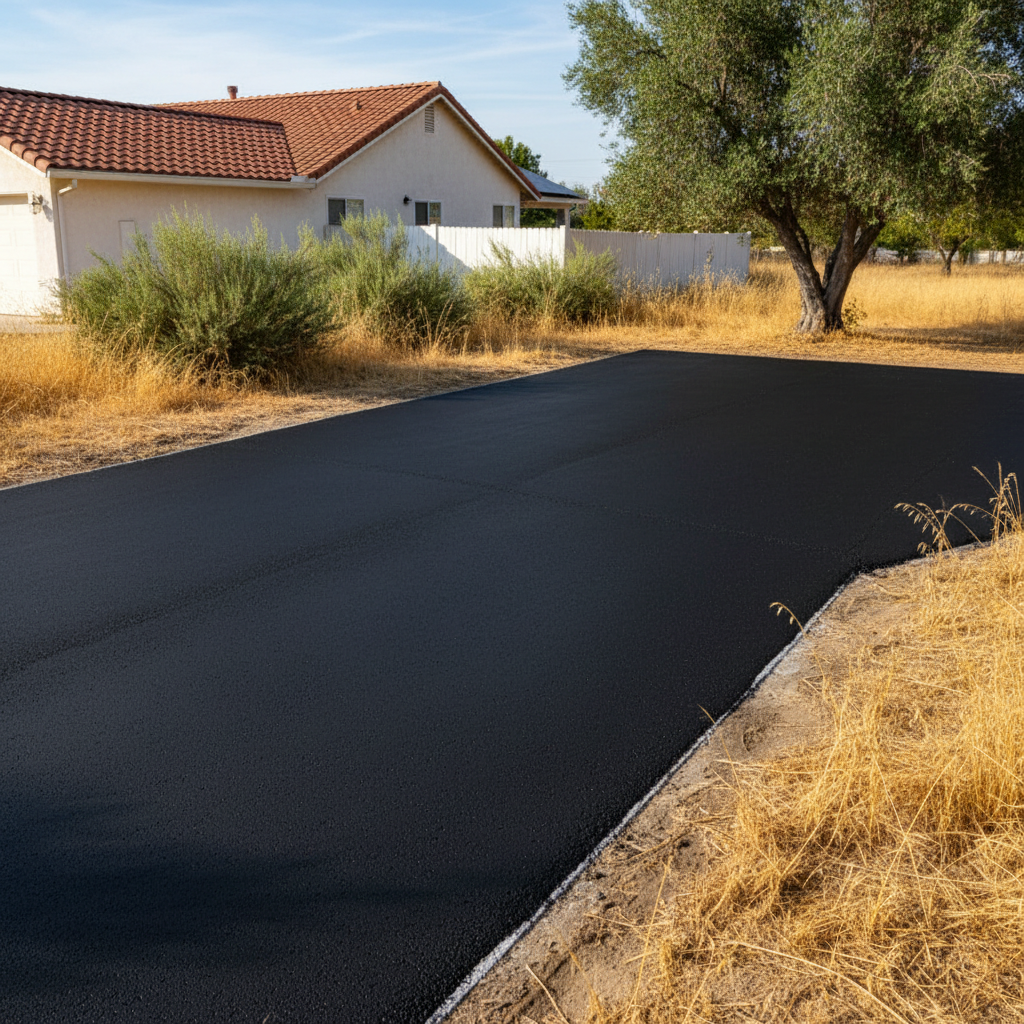
So, you've put money into sealcoating your driveway or parking lot right here in Orosi. Smart move, that is. It really helps protect your asphalt from the sun, water, and all that traffic wear. But getting it done? That's just half the battle. To truly get your money's worth and make that sealcoat last, you've got to give it a little tender loving care. Think of it like changing the oil in your car – regular maintenance keeps things running smoothly, you know?
Extending Your Sealcoat's Life in the Orosi Sun
Our Central Valley sun is no joke, right? It's one of the biggest reasons I tell folks around here to sealcoat in the first place. That UV radiation bakes the oils right out of your asphalt, making it brittle and prone to cracking. Sealcoat puts a protective layer over that, sure, but it's not invincible. The biggest thing you can do to extend its life is pretty simple: keep it clean and minimize stress.
For the first 24-48 hours after we finish a job, you absolutely have to stay off it. I know it's tempting, but driving on it too soon will mess up the curing process and leave tire marks that just won't go away. After that initial cure, try to avoid turning your steering wheel while your vehicle is stopped. We call that 'power steering scuffing,' and it grinds away at the sealcoat, especially in those tight turns on smaller driveways.
Another thing to watch out for is chemical spills. Oil, gas, antifreeze – these things eat away at both asphalt and sealcoat. If you have a leaky vehicle, try to get it fixed. If you do get a spill, clean it up quickly with something absorbent like cat litter, then sweep it away. Don't let it sit and soak in.
Regular Maintenance: What You Should Be Doing
Okay, so what does 'regular maintenance' actually look like? It's not rocket science, I promise. Mostly, it's about keeping an eye on things and making sure the surface stays clear.
- Sweeping and Blowing: Just like you sweep your garage, keep your asphalt clear of dirt, leaves, and other debris. This stuff traps moisture and can encourage moss or weeds, which you definitely don't want. A leaf blower works great for this, or a good old-fashioned broom.
- Water Drainage: Make sure water isn't pooling anywhere. If you've got low spots where water sits after a rain, that's a problem. Standing water softens asphalt and can lift the sealcoat. If you notice pooling, it might be a sign of a bigger issue with your asphalt's base, and that's when you'd want to give us a call.
- Weed Control: Weeds pushing up through cracks are a common sight, especially in older asphalt. Pull them out or use a weed killer. If they're coming through cracks, it means those cracks need attention.
Honestly, the more you keep your asphalt clean, the longer everything lasts. It's that simple.
Warning Signs You Shouldn't Ignore
Your asphalt will tell you when it needs help if you know what to look for. Don't wait until it's a major headache – trust me on this.
- Fading Color: The sealcoat should be a nice, dark black. If it starts looking dull gray or patchy, that's a sign the protective layer is wearing thin. It's not an emergency, but it means you're probably due for another coat soon.
- Hairline Cracks: Small, thin cracks are normal as asphalt ages. The sealcoat helps prevent these, but if you see new ones popping up, especially if they're starting to connect, it means the underlying asphalt is moving or drying out. Catching these early with crack filling can prevent them from becoming potholes.
- Potholes or Depressions: This is a big one. Potholes mean the asphalt has completely failed in that spot. Depressions, or areas that sink in, often indicate a problem with the base layer underneath. These need professional attention right away because they'll only get worse, especially with our heavy agricultural equipment and trucks driving around Orosi.
- Loose Aggregate: If you're seeing small stones or gravel coming loose from the surface, that's a sign the binder in the asphalt or the sealcoat itself is deteriorating.
When to Call a Professional (Like Midway Asphalt Solutions)
Look, I'm all for DIY when it makes sense, but some things are best left to the pros. Here's when you should definitely pick up the phone:
- Significant Cracking: If you've got cracks wider than a quarter-inch, or a whole network of cracks (what we call alligator cracking), that's beyond what a simple DIY crack filler can handle effectively. We have the right materials and equipment to properly clean and fill those, preventing water from getting underneath and destroying your base.
- Potholes: As I said, potholes are a structural failure. You can't just throw some cold patch in there and expect it to last. We'll properly clean out the area, cut it square, and fill it with hot mix asphalt for a durable repair.
- Drainage Issues: If you're consistently seeing standing water, it might be an issue with your asphalt's slope or base. That's a job for someone who understands grading and proper asphalt installation.
- When You're Due for a Re-Seal: Generally, I recommend re-sealcoating every 2-3 years for residential driveways and every 1-2 years for commercial lots with heavier traffic. If it's been longer than that, or if you're seeing those fading and minor cracking signs, it's time for another protective layer. We use commercial-grade sealer that's designed to stand up to our hot summers and occasional wet winters here in Orosi.
Keeping an eye on your asphalt and doing a little regular cleanup goes a long way. It's not just about making it look good; it's about protecting your investment and avoiding much more expensive repairs down the road. If you're ever unsure about something you're seeing, don't hesitate to reach out to us at Midway Asphalt Solutions. We're happy to take a look and give you an honest assessment.