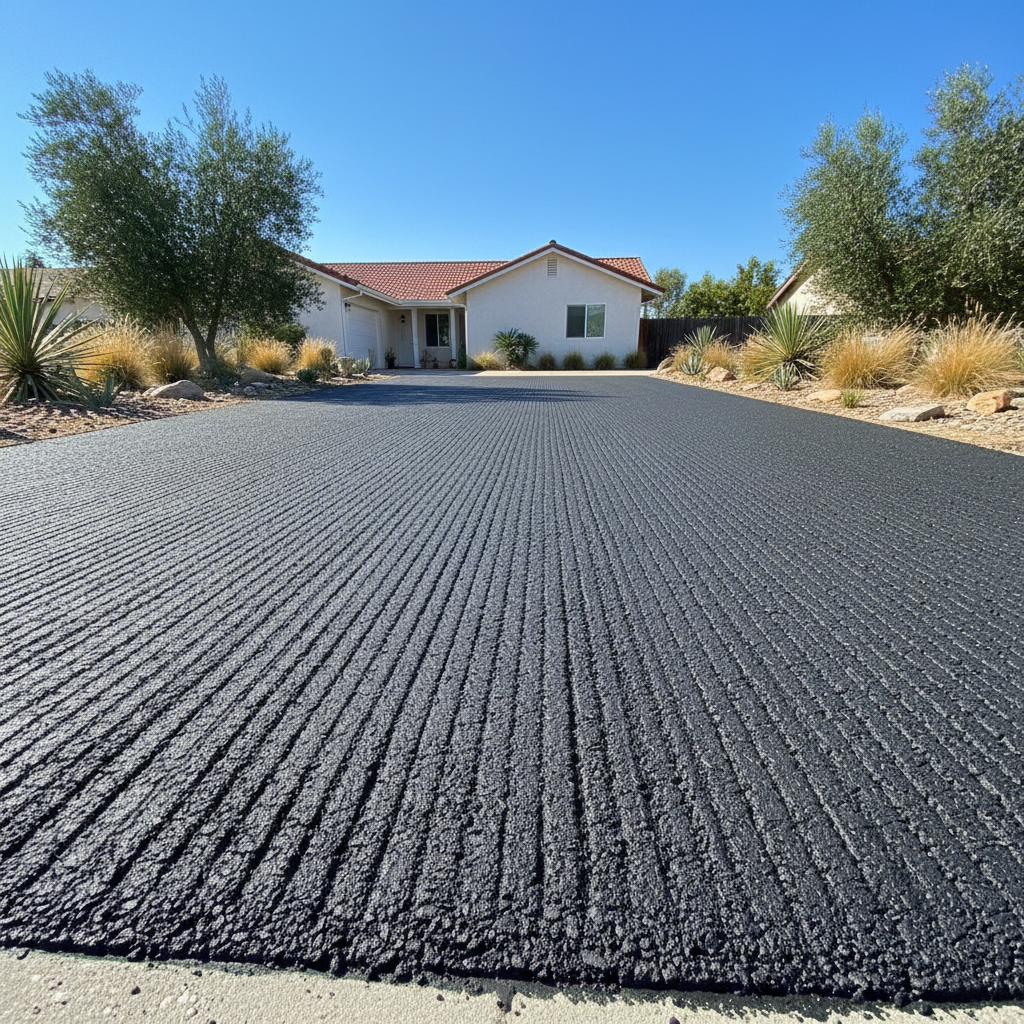
What's the Deal with Asphalt Milling Anyway?
So, you've gone with asphalt milling for your driveway, parking lot, or private road here in Orosi. Good call! It's a smart, cost-effective way to get a solid surface, especially for those bigger areas where a full tear-out and repave just isn't in the budget. What we do with milling, for those who might not know, is grind up the old asphalt, mix it with a binder, and then compact it back down. It's basically like recycling your pavement, and it's tough stuff when we do it right.
But just because it's tough doesn't mean you can just lay it down and forget about it. Like anything else, it needs a little love to really last. Here in the Central Valley, with our scorching summers and those surprisingly wet winters, your milled asphalt faces some real challenges. You'll definitely want to keep an eye on it.
Extending the Life of Your Milled Surface
The biggest thing you can do to extend the life of your milled asphalt is to make sure it's properly sealed. After we lay down the milled material and compact it, it's a good idea to let it cure for a bit – usually a few weeks to a month, depending on the weather. Once it's settled, a good sealcoat is your best friend. This isn't just about making it look pretty; it's about protecting it.
A quality sealcoat acts like sunscreen and a raincoat for your pavement. It blocks UV rays from the California sun, which can dry out the asphalt binders and make the surface brittle. It also stops water from seeping into the pavement, which is crucial. If water gets in and then freezes – not a huge problem in Orosi, but it can happen on rare cold nights – it'll expand and crack your pavement. Even without freezing, constant water weakens the base.
Another big one is managing heavy loads. Milled asphalt is strong, but repeated heavy truck traffic or parking heavy equipment in the exact same spot day after day can cause rutting or depressions over time. Try to vary parking spots if you can, or consider adding extra base material in high-stress areas if you know you'll have consistent heavy loads. That's just good planning.
Regular Maintenance: What You Should Be Doing
Regular maintenance for milled asphalt is pretty straightforward, but it's important to be consistent. First off, keep it clean. Leaves, dirt, and debris can trap moisture against the surface, which isn't good. A quick sweep or blowing off the surface every now and then is all it takes. If you've got oil or gas spills, clean them up fast. Petroleum products break down asphalt, whether it's new or milled.
You should also inspect it regularly, especially after a big rain or during the hottest parts of summer. Look for anything out of the ordinary. We're talking about a visual check, not a deep dive with a magnifying glass.
And don't forget about vegetation. Those pesky weeds and grass can find their way through small cracks and really mess up your surface. If you see anything growing, pull it or treat it. The roots can widen cracks and undermine the base.
Warning Signs You Shouldn't Ignore
Alright, so what should you be looking for that tells you there's a problem? Here are a few red flags:
- Cracking: Small hairline cracks are normal over time, but if you see them spreading or getting wider, that's a sign. Especially look for